![RT 434 Lava reduced DKNF]() Compressive strength: 25 N/mm2Gross density: 1800 kg/m3Water absorption: 10 %w/wInitial rate of absorption: 1,8 ± 0,5 kg/m2Exposure class: MX3.2, MX4
Price on request
Go to RT 434RT 434, Lava reducedGWP: 3.9 kg Co2-eq / m2 (A1-A3) ?Global Warming Potential (GWP) is a measurement unit that shows how different materials and
processes affect global warming. The lower the GWP, the less a material contributes to climate
change. Read more here.![RT 474 Yellow/brown Torino DKNF]() Compressive strength: 24 N/mm2Gross density: 1750 kg/m3Water absorption: 14 %w/wInitial rate of absorption: 1,5 ± 0,6 kg/m2Exposure class: MX3.2, MX4
Price on request
Go to RT 474RT 474, Yellow/brown TorinoGWP: 8.7 kg Co2-eq / m2 (A1-A3) ?Global Warming Potential (GWP) is a measurement unit that shows how different materials and
processes affect global warming. The lower the GWP, the less a material contributes to climate
change. Read more here.![RT 473 Como DKNF]() Compressive strength: 24 N/mm2Gross density: 1750 kg/m3Water absorption: 14 %w/wInitial rate of absorption: 1,5 ± 0,6 kg/m2Exposure class: MX3.2, MX4
Price on request
Go to RT 473RT 473, ComoGWP: 8.8 kg Co2-eq / m2 (A1-A3) ?Global Warming Potential (GWP) is a measurement unit that shows how different materials and
processes affect global warming. The lower the GWP, the less a material contributes to climate
change. Read more here.![RT 475 Bari DKNF]() Compressive strength: 29 N/mm2Gross density: 1875 kg/m3Water absorption: 11 %w/wInitial rate of absorption: 1,8 ± 0,8 kg/m2Exposure class: MX3.2, MX4
Price on request
Go to RT 475RT 475, BariGWP: 4.1 kg Co2-eq / m2 (A1-A3) ?Global Warming Potential (GWP) is a measurement unit that shows how different materials and
processes affect global warming. The lower the GWP, the less a material contributes to climate
change. Read more here.![RT 103 Bologna DKNF]() Compressive strength: 22 N/mm2Gross density: 1650 kg/m3Water absorption: 18 %w/wInitial rate of absorption: 2,3 ± 1 kg/m2Exposure class: MX3.2, MX4
Price on request
Go to RT 103RT 103, BolognaGWP: 9.2 kg Co2-eq / m2 (A1-A3) ?Global Warming Potential (GWP) is a measurement unit that shows how different materials and
processes affect global warming. The lower the GWP, the less a material contributes to climate
change. Read more here.![RT 472 Bellagio DKNF]() Compressive strength: 24 N/mm2Gross density: 1750 kg/m3Water absorption: 14 %w/wInitial rate of absorption: 1,5 ± 0,6 kg/m2Exposure class: MX3.2, MX4
Price on request
Go to RT 472RT 472, BellagioGWP: 8.9 kg Co2-eq / m2 (A1-A3) ?Global Warming Potential (GWP) is a measurement unit that shows how different materials and
processes affect global warming. The lower the GWP, the less a material contributes to climate
change. Read more here.![RT 478 Lecco DKNF]() Compressive strength: 24 N/mm2Gross density: 1750 kg/m3Water absorption: 14 %w/wInitial rate of absorption: 1,5 ± 0,6 kg/m2Exposure class: MX3.2, MX4
Price on request
Go to RT 478RT 478, LeccoGWP: 9.2 kg Co2-eq / m2 (A1-A3) ?Global Warming Potential (GWP) is a measurement unit that shows how different materials and
processes affect global warming. The lower the GWP, the less a material contributes to climate
change. Read more here.![RT 450 Palermo DKNF]() Compressive strength: 25 N/mm2Gross density: 1800 kg/m3Water absorption: 13 %w/wInitial rate of absorption: 1,6 ± 0,6 kg/m2Exposure class: MX3.2, MX4
Price on request
Go to RT 450RT 450, PalermoGWP: 6.7 kg Co2-eq / m2 (A1-A3) ?Global Warming Potential (GWP) is a measurement unit that shows how different materials and
processes affect global warming. The lower the GWP, the less a material contributes to climate
change. Read more here.![RT 477 Montalcino DKNF]() Compressive strength: 25 N/mm2Gross density: 1800 kg/m3Water absorption: 13 %w/wInitial rate of absorption: 1,6 ± 0,6 kg/m2Exposure class: MX3.2, MX4
Price on request
Go to RT 477RT 477, MontalcinoGWP: 6.5 kg Co2-eq / m2 (A1-A3) ?Global Warming Potential (GWP) is a measurement unit that shows how different materials and
processes affect global warming. The lower the GWP, the less a material contributes to climate
change. Read more here.![RT 485 Meda DKNF]() Compressive strength: 18 N/mm2Gross density: 1600 kg/m3Water absorption: 17 %w/wInitial rate of absorption: 2,1 ± 0,5 kg/m2Exposure class: MX3.2, MX4
Price on request
Go to RT 485RT 485, MedaGWP: 8.6 kg Co2-eq / m2 (A1-A3) ?Global Warming Potential (GWP) is a measurement unit that shows how different materials and
processes affect global warming. The lower the GWP, the less a material contributes to climate
change. Read more here.![RT 486 Alba DKNF]() Compressive strength: 18 N/mm2Gross density: 1600 kg/m3Water absorption: 17 %w/wInitial rate of absorption: 2,1 ± 0,5 kg/m2Exposure class: MX3.2, MX4
Price on request
Go to RT 486RT 486, AlbaGWP: 8.6 kg Co2-eq / m2 (A1-A3) ?Global Warming Potential (GWP) is a measurement unit that shows how different materials and
processes affect global warming. The lower the GWP, the less a material contributes to climate
change. Read more here.![RT 496 Messina DKNF]() Compressive strength: 25 N/mm2Gross density: 1800 kg/m3Water absorption: 13 %w/wInitial rate of absorption: 1,6 ± 0,6 kg/m2Exposure class: MX3.2, MX4
Price on request
Go to RT 496RT 496, MessinaGWP: 6.5 kg Co2-eq / m2 (A1-A3) ?Global Warming Potential (GWP) is a measurement unit that shows how different materials and
processes affect global warming. The lower the GWP, the less a material contributes to climate
change. Read more here.
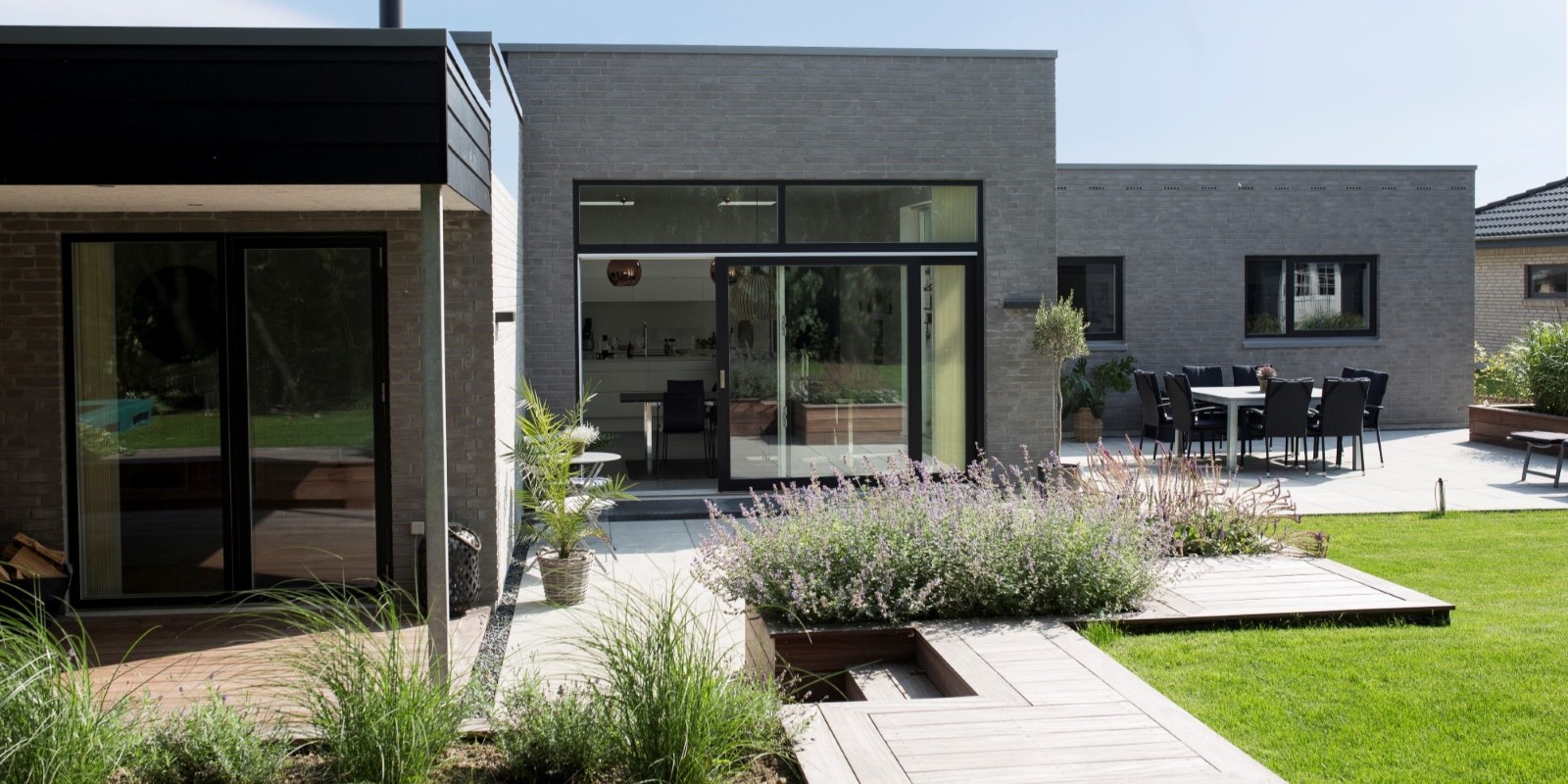
Prima
”Prima” is a water-struck brick series that has undergone a varied refinement process. Each and every brick has its own interesting template, and the series contains classic, as well as more specific colour tones, for a distinctive architectural style. Using the water-struck production method creates many variations and diverse structures on the bricks' surface, thus giving the finished façade an interesting aspect.
Your choice(s):


