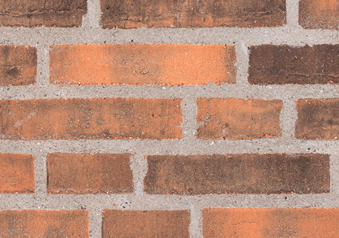
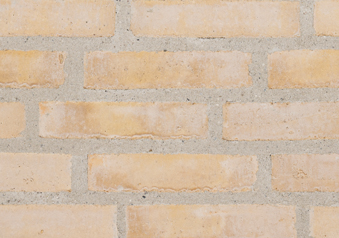
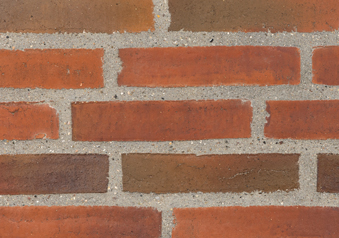
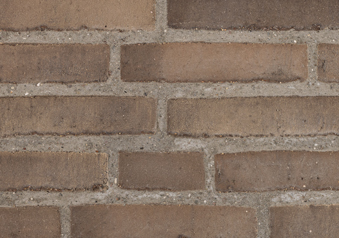
![RT 240 Reclaimed Brick Yellow DKNF]() Compressive strength: 15 N/mm2Gross density: 1550 kg/m3Water absorption: N/A %w/wInitial rate of absorption: N/A kg/m2Exposure class: MX3.1
Compressive strength: 15 N/mm2Gross density: 1550 kg/m3Water absorption: N/A %w/wInitial rate of absorption: N/A kg/m2Exposure class: MX3.1Price on request
Go to RT 240RT 240, Reclaimed Brick YellowGWP: 2.4 kg Co2-eq / m2 (A1-A3) ?Global Warming Potential (GWP) is a measurement unit that shows how different materials and
processes affect global warming. The lower the GWP, the less a material contributes to climate
change. Read more here.![RT 243 Reclaimed Brick Red DKNF]() Compressive strength: 15 N/mm2Gross density: 1550 kg/m3Water absorption: N/A %w/wInitial rate of absorption: N/A kg/m2Exposure class: MX3.1
Compressive strength: 15 N/mm2Gross density: 1550 kg/m3Water absorption: N/A %w/wInitial rate of absorption: N/A kg/m2Exposure class: MX3.1Price on request
Go to RT 243RT 243, Reclaimed Brick RedGWP: 2.4 kg Co2-eq / m2 (A1-A3) ?Global Warming Potential (GWP) is a measurement unit that shows how different materials and
processes affect global warming. The lower the GWP, the less a material contributes to climate
change. Read more here.![RT 247 ReClay EcoBlend #1 DKNF]() Compressive strength: 0 N/mm2Gross density: 0 kg/m3Water absorption: N/A %w/wInitial rate of absorption: N/A kg/m2Exposure class: MX3.1
Compressive strength: 0 N/mm2Gross density: 0 kg/m3Water absorption: N/A %w/wInitial rate of absorption: N/A kg/m2Exposure class: MX3.1Price on request
Go to RT 247RT 247, ReClay EcoBlend #1GWP: 3.5 kg Co2-eq / m2 (A1-A3) ?Global Warming Potential (GWP) is a measurement unit that shows how different materials and
processes affect global warming. The lower the GWP, the less a material contributes to climate
change. Read more here.![RT 248 ReClay EcoBlend #2 DKNF]() Compressive strength: 0 N/mm2Gross density: 0 kg/m3Water absorption: N/A %w/wInitial rate of absorption: N/A kg/m2Exposure class: MX3.1
Compressive strength: 0 N/mm2Gross density: 0 kg/m3Water absorption: N/A %w/wInitial rate of absorption: N/A kg/m2Exposure class: MX3.1Price on request
Go to RT 248RT 248, ReClay EcoBlend #2GWP: 3.4 kg Co2-eq / m2 (A1-A3) ?Global Warming Potential (GWP) is a measurement unit that shows how different materials and
processes affect global warming. The lower the GWP, the less a material contributes to climate
change. Read more here.![RT 489 Maroon ReClay DKNF]() Compressive strength: 25 N/mm2Gross density: 1750 kg/m3Water absorption: 14 %w/wInitial rate of absorption: 1,5 ± 0,7 kg/m2Exposure class: MX3.2, MX4
Compressive strength: 25 N/mm2Gross density: 1750 kg/m3Water absorption: 14 %w/wInitial rate of absorption: 1,5 ± 0,7 kg/m2Exposure class: MX3.2, MX4Price on request
Go to RT 489RT 489, Maroon ReClayGWP: 4.7 kg Co2-eq / m2 (A1-A3) ?Global Warming Potential (GWP) is a measurement unit that shows how different materials and
processes affect global warming. The lower the GWP, the less a material contributes to climate
change. Read more here.![RT 490 Ruby ReClay DKNF]() Compressive strength: 25 N/mm2Gross density: 1750 kg/m3Water absorption: 14 %w/wInitial rate of absorption: 1,5 ± 0,7 kg/m2Exposure class: MX3.2, MX4
Compressive strength: 25 N/mm2Gross density: 1750 kg/m3Water absorption: 14 %w/wInitial rate of absorption: 1,5 ± 0,7 kg/m2Exposure class: MX3.2, MX4Price on request
Go to RT 490RT 490, Ruby ReClayGWP: 4.5 kg Co2-eq / m2 (A1-A3) ?Global Warming Potential (GWP) is a measurement unit that shows how different materials and
processes affect global warming. The lower the GWP, the less a material contributes to climate
change. Read more here.![RT 491 Graystone ReClay DKNF]() Compressive strength: 24 N/mm2Gross density: 1750 kg/m3Water absorption: 14 %w/wInitial rate of absorption: 1,5 ± 0,7 kg/m2Exposure class: MX3.2, MX4
Compressive strength: 24 N/mm2Gross density: 1750 kg/m3Water absorption: 14 %w/wInitial rate of absorption: 1,5 ± 0,7 kg/m2Exposure class: MX3.2, MX4Price on request
Go to RT 491RT 491, Graystone ReClayGWP: 6.9 kg Co2-eq / m2 (A1-A3) ?Global Warming Potential (GWP) is a measurement unit that shows how different materials and
processes affect global warming. The lower the GWP, the less a material contributes to climate
change. Read more here.![RT 492 Harvest ReClay DKNF]() Compressive strength: 22 N/mm2Gross density: 1650 kg/m3Water absorption: 20 %w/wInitial rate of absorption: 2,3 ± 1,0 kg/m2Exposure class: MX3.2, MX4
Compressive strength: 22 N/mm2Gross density: 1650 kg/m3Water absorption: 20 %w/wInitial rate of absorption: 2,3 ± 1,0 kg/m2Exposure class: MX3.2, MX4Price on request
Go to RT 492RT 492, Harvest ReClayGWP: 8.7 kg Co2-eq / m2 (A1-A3) ?Global Warming Potential (GWP) is a measurement unit that shows how different materials and
processes affect global warming. The lower the GWP, the less a material contributes to climate
change. Read more here.![RT 493 Nordic Red ReClay DKNF]() Compressive strength: 32 N/mm2Gross density: 1850 kg/m3Water absorption: 12,5 %w/wInitial rate of absorption: 1,5 ± 0,7 kg/m2Exposure class: MX3.2, MX4
Compressive strength: 32 N/mm2Gross density: 1850 kg/m3Water absorption: 12,5 %w/wInitial rate of absorption: 1,5 ± 0,7 kg/m2Exposure class: MX3.2, MX4Price on request
Go to RT 493RT 493, Nordic Red ReClayGWP: 2.3 kg Co2-eq / m2 (A1-A3) ?Global Warming Potential (GWP) is a measurement unit that shows how different materials and
processes affect global warming. The lower the GWP, the less a material contributes to climate
change. Read more here.![RT 494 Saga ReClay DKNF]() Compressive strength: 25 N/mm2Gross density: 1750 kg/m3Water absorption: 14 %w/wInitial rate of absorption: 1,5 ± 0,7 kg/m2Exposure class: MX3.2, MX4
Compressive strength: 25 N/mm2Gross density: 1750 kg/m3Water absorption: 14 %w/wInitial rate of absorption: 1,5 ± 0,7 kg/m2Exposure class: MX3.2, MX4Price on request
Go to RT 494RT 494, Saga ReClayGWP: 7 kg Co2-eq / m2 (A1-A3) ?Global Warming Potential (GWP) is a measurement unit that shows how different materials and
processes affect global warming. The lower the GWP, the less a material contributes to climate
change. Read more here.

Circular Bricks
Your choice(s):